
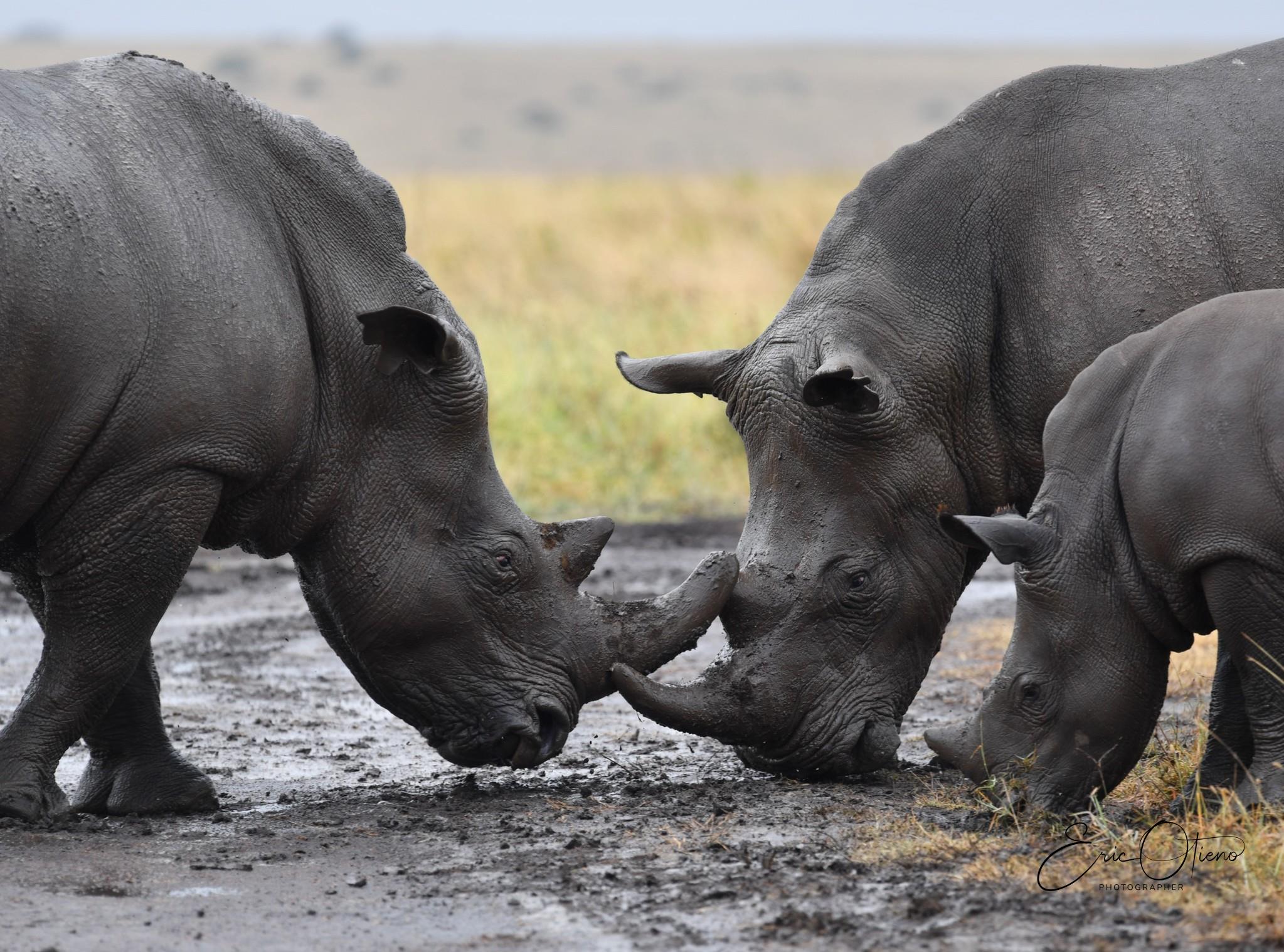
Anti-poaching combines ranger patrols, intelligence, technology, law enforcement and community partnerships.
How are poachers prevented?
Anti-poaching is a combination of intelligence, ranger patrols, technology, law enforcement and community relationships. Visible armed patrols are only one part of the system.
Protected areas may use tracking dogs, aerial surveillance, camera systems, informant networks and data analysis. Long-term success also depends on reducing incentives for wildlife crime and ensuring neighbouring communities benefit from conservation.
Operational security details are often kept confidential so that enforcement methods and patrol patterns cannot be used against the people protecting wildlife.
What makes this ecosystem special?
An ecosystem becomes special because of the relationships between habitat, water, climate, wildlife and people. A famous animal may draw visitors, but the health of the system depends on grasslands, rivers, insects, plants, predators, prey and migration routes working together.
When planning a safari, look beyond a species checklist. Different ecosystems produce different behaviours, landscapes and conservation challenges, which is why combining two contrasting areas can be more rewarding than repeating similar habitats.
Ask who manages the experience
Conservation activities should be led by the authorised park, conservancy or specialist organisation. Visitors should not expect to handle wildlife or enter sensitive areas simply because they are interested in conservation.
ESA Safaris can help explain what a visitor can responsibly observe and which experiences require advance permission.
What this means for your itinerary
An ecosystem is special because of the relationship between habitat, water, wildlife and people, not only because it contains a famous species.
Tourism helps when visitor revenue and responsible behaviour support that wider system.
Conservation is larger than one famous species
Protected areas depend on habitat, water, wildlife movement, local communities, law enforcement and long-term management. A single animal may attract attention, but the ecosystem works as a whole.
Responsible tourism supports conservation best when visitors follow rules, respect wildlife distance and choose experiences that do not disturb the very place they came to see.
Before you book or travel
- Follow park and conservancy rules even when another vehicle appears to ignore them.
- Do not collect natural objects or pressure guides to approach wildlife more closely.
- Ask who operates a conservation activity and what visitor participation actually involves.
- Treat rare species as wild animals, not guaranteed checklist items.
Frequently Asked Questions
Can visitors handle rescued wildlife?
Do not assume so. Ethical conservation experiences are controlled by the responsible authority and animal welfare comes first.
Why are off-road and distance rules important?
They reduce habitat damage, crowding and wildlife disturbance. A closer view is not worth undermining the protected area.
Can I take natural souvenirs from a park?
Generally, leave stones, plants, feathers, bones and other natural materials where they are unless an authority explicitly says otherwise.
Do tourism fees support conservation?
In many protected areas, visitor revenue contributes to park or conservancy management, although the exact funding model differs by destination.
Use the details to plan the right route
Use this guide as a starting point, then ask ESA Safaris to confirm the details for your actual dates and itinerary. The final plan should reflect the traveller, the season and the services being booked.


